Closing a Game-Changing 2025 | PollyLabs Community update
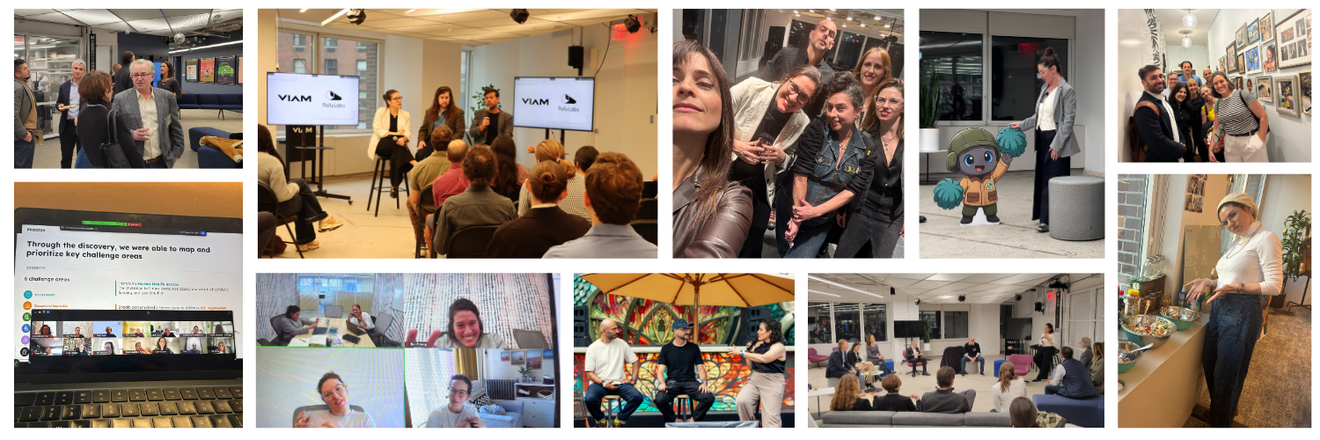
In its year-end community update, PollyLabs reflects on what 2025 revealed about its core thesis: that proven technology, applied thoughtfully and with the right frontline partners, can generate outsized social impact. Early ventures spun out independently, unlocked critical funding, and translated research into practical tools already reaching families at scale—offering early proof of a system-focused approach to impact.
Looking ahead, PollyLabs positions 2026 as a year of scaling what has been built, taking on larger challenges, and inviting others to engage, while maintaining the rigor that made these outcomes possible. The update also recognizes the partners, donors, and team members whose support underpins a broader vision of technology used to reduce avoidable suffering and strengthen resilience.
Click here to read the full report: Polly Labs Community Update
William Ury: Making Peace "Possible"
William Ury is one of the world’s most respected voices in negotiation, mediation, and peacebuilding. A co-founder of Harvard’s Program on Negotiation and author of the bestselling Getting to Yes, Ury has spent decades helping leaders, communities, and nations move beyond conflict toward constructive agreement. His work has ranged from advising on peace processes in Colombia to helping reduce nuclear tensions and teaching negotiation principles that apply anywhere—from the United Nations to everyday life. On Making Peace Visible, Ury shares ideas about how we can understand conflict more deeply and highlight efforts for peace more broadly.
Click here to listen to the podcast: https://www.makingpeacevisible.org/bill-ury

Our Annus Horribilis
In this year-end reflection, veteran foreign correspondent Mort Rosenblum looks back on a difficult and unsettling year in global and U.S. affairs. Drawing on decades of reporting experience, he considers how political choices, diplomatic breakdowns, and shifts in American leadership have affected both international stability and democratic norms at home. The essay situates recent events in a broader historical context, asking what responsibility the United States bears when its actions—and inaction—shape outcomes far beyond its borders.
Read article here: https://www.mortreport.org/reports/our-annus

Clarifying the Idea of the Balance of Power - Michael Poulshock
The idea of the balance of power is central to how scholars and policymakers think about international politics, but what does it really mean in practice? In this essay, Michael Poulshock argues that the conventional concept is vague and often conflates observation with prescription. He highlights three core issues: uncertainty about what actions actually constitute balancing, the lack of a clear definition of equilibrium in global politics, and the tendency of the literature to blur descriptive analysis with advice. By reframing the balance of power through a systematic framework grounded in power structure theory, this piece offers a fresh lens on how states form coalitions, deter dominance, and manage competition in the international system.
Click here for the full article: Michael Poulshock Substack

10 Conflicts to Watch in 2026 - Foreign Policy

War, instability, and political ruptures aren’t fading as the new year begins—they’re multiplying. In its annual forecast of global hotspots, Foreign Policy and the International Crisis Group highlight the conflicts most likely to shape geopolitics in 2026. From the grinding full-scale war in Ukraine and the fragile aftermath of the Gaza fighting to renewed tensions in Africa, the Middle East, and the Western Hemisphere, these are not distant troubles: they are flashpoints with worldwide implications, affecting diplomacy, humanitarian crises, and world order. If 2025 was defined by violent confrontation and shifting alliances, 2026 may prove even more consequential.
Read more on their website: Foreign Policy
Ward’s Manufacturing Wins Discover Rhode Island 2026 Preferred Business Award

Ward’s Manufacturing has just been honored with the Discover Rhode Island 2026 Preferred Business Award, a recognition that celebrates the strength of American-made metal fabrication and the leadership of a woman-owned manufacturing shop proudly serving customers across industries. From precision laser cutting to custom CNC bending and part design, Ward’s blends cutting-edge capability with small-business grit—earning praise not just from clients, but also from the Rhode Island business community.
Click here for the LinkedIn post!
Ward Manufacturing: https://www.wardsmanufacturing.com/
The Depraved New White House Website Isn’t Just a Lie: It’s an Invitation
Every authoritarian project depends on the same foundation: control over the story of the past. Not just selective memory or political spin, but the systematic replacement of shared reality with a manufactured one. When that happens, facts become tribal markers, violence becomes debatable, and democracy becomes optional.
The Trump administration’s newly launched White House website on January 6 is a textbook example of this strategy. Presented as an “official history,” it does not merely minimize the attack on the Capitol—it inverts it. Those who breached the building are reframed as victims. Law enforcement officers are recast as aggressors. The certification of a lawful election is portrayed as the true act of subversion.
This kind of revisionism is not aimed at persuading skeptics. Its purpose is normalization. By declaring the insurrection “peaceful” and its aftermath “persecution,” the site quietly lowers the threshold for what counts as acceptable political behavior in the future. If what happened that day was not violence, then violence no longer has a clear meaning.
Governments that pursue this path are not arguing about history; they are preparing the public for what comes next. They are teaching supporters which actions will be forgiven, which institutions will be abandoned, and which truths no longer apply.
What is being rolled out here is not an interpretation of January 6, but a signal about the kind of country its authors intend to build.

Adam Goodman
Adam Goodman is a historian whose work rigorously situates the politics of migration, exclusion, and state power within the longue durée of United States history. He serves as Associate Professor of History and Latin American and Latino Studies at the University of Illinois Chicago (UIC), where his scholarship and teaching explore the interconnections between migration policy, law, social movements, and racial and ethnic identity in the twentieth and twenty-first centuries.
Goodman’s academic formation culminated in a Ph.D. in History from the University of Pennsylvania, one of the leading doctoral programs in U.S. and transnational migration history. Prior to his appointment at UIC, he held a Provost’s Postdoctoral Fellowship in the Humanities at the University of Southern California and was a visiting scholar at the Universidad Nacional Autónoma de México in Mexico City—positions that reflect his commitment to comparative and transborder historical inquiry. He also spent the 2022–23 academic year as an Andrew W. Mellon Foundation Fellow at the Center for Advanced Study in the Behavioral Sciences at Stanford University.
Goodman’s scholarship centers on the historical mechanisms of immigration control and expulsion in the United States, with particular attention to how legal, administrative, and cultural forces have shaped the governance of mobility and belonging. His most influential book, The Deportation Machine: America’s Long History of Expelling Immigrants (Princeton University Press, 2020), reconstructs over 140 years of U.S. deportation practices, demonstrating that expulsive logics and bureaucratic apparatuses are not recent aberrations but deeply embedded features of the modern state. Drawing on extensive archival research across English- and Spanish-language sources, the work unpacks how formal deportations, coerced “voluntary” departures, and fear-driven self-deportation together constituted a systemic “machine” that operated with profound human cost long before the contemporary moment.
The Deportation Machine received wide academic recognition: it was a finalist for the Los Angeles Times Book Prize in History, won the PROSE Award in North American History from the Association of American Publishers, and received the Henry Adams Book Prize from the Society for History in the Federal Government, among other honors.
In addition to his monograph, Goodman has published influential articles in venues such as the Journal of American History and has written essays and commentary for The Nation and The Washington Post, bringing historical insight to contemporary debates on migration policy and border politics. He appears regularly in English- and Spanish-language media, including BBC Radio 4, Univisión, and Latino USA, reflecting his dual commitment to academic rigor and public engagement.
Goodman plays a significant role in collaborative knowledge projects such as the #ImmigrationSyllabus, an initiative that curates historical resources for educators and the public. He also serves on the Statue of Liberty-Ellis Island Foundation History Advisory Committee and has coordinated interdisciplinary seminars on borderlands and Latino/a studies, underscoring his engagement with community-oriented scholarship and intellectual networks.
Across his work, Goodman exemplifies the historian as both archival investigator and public interpreter of how states construct, contest, and enforce boundaries of inclusion and exclusion. His contributions deepen understanding of how historical structures of power shape present-day policy landscapes, making his voice central to scholarly and civic conversations about migration, citizenship, and social justice.
Sebastián Chaskel
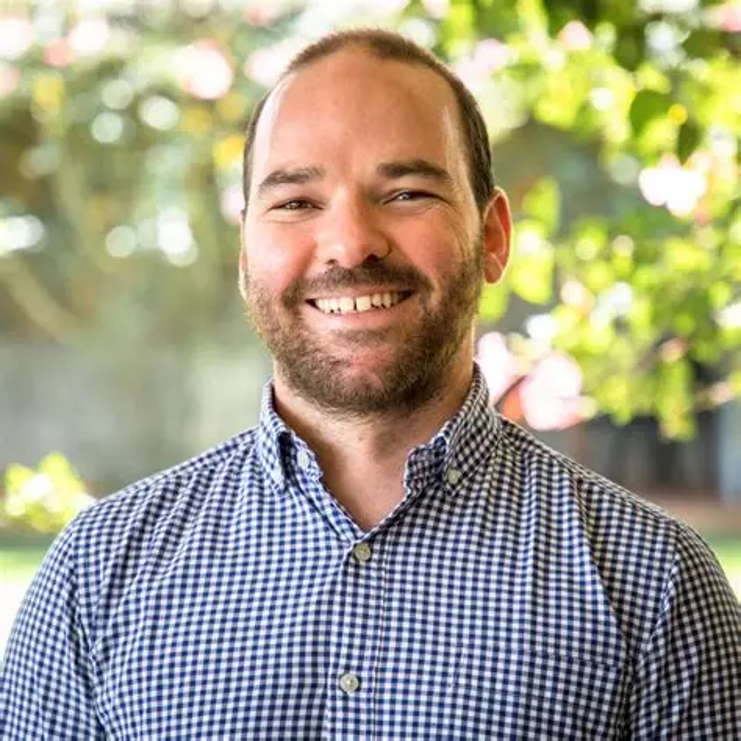
Sebastián Chaskel is a scholar-practitioner whose work bridges evidence-based policy, development strategy, and institutional design. His career integrates research, program leadership, and advisory roles that focus on adaptive governance, peace and recovery programs, impact measurement, and public-sector innovation. Chaskel’s work demonstrates how analytic rigor can be combined with operational leadership to improve outcomes in complex social systems.
He holds a Bachelor of Arts in Anthropology and International Relations from Tufts University and a Master in Public Affairs from Princeton University’s Woodrow Wilson School of Public and International Affairs, grounding his practice in both context-sensitive social analysis and strategic policy design.
Chaskel’s professional trajectory includes leadership of country programs and peace initiatives at Innovations for Poverty Action (IPA), where he oversaw evidence-driven interventions in Colombia, the Dominican Republic, and across multiple countries during crisis contexts, including the COVID-19 pandemic. He subsequently joined Instiglio as an Associate Partner, advising governments and development organizations on strategies to enhance the effectiveness of public spending, outcomes-based financing, and institutional capacity. His work spans cross-sector collaborations that link research, governance, and implementation, creating scalable frameworks for impact and resilience.
While his publications are primarily policy-oriented and practice-driven, Chaskel has authored strategic memos and analytical briefs on topics such as results-based procurement, market-driven resilience strategies, and adaptive program design, contributing to the knowledge ecosystem at the intersection of development, governance, and peacebuilding.
Alon Burstein
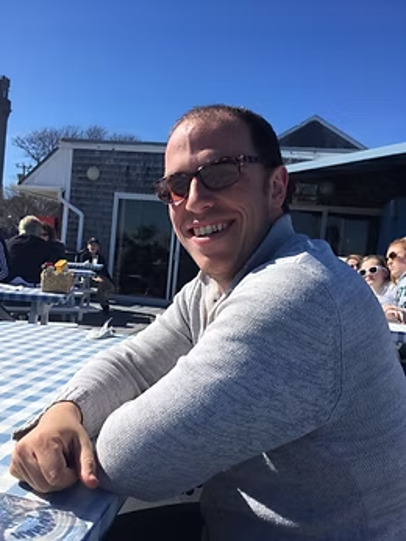
Alon Burstein is a political scientist and analyst whose scholarship focuses on violent and nonviolent collective action, extremist mobilization, and democratic processes, with a particular emphasis on the Israeli–Palestinian conflict. His work combines empirical rigor with theoretical insight to understand how political structures, group identities, and ideological frameworks shape trajectories of conflict, radicalization, and institutional resilience.
Burstein earned his Ph.D. in Political Science from the Hebrew University of Jerusalem, where his dissertation examined the conditions under which armed groups shift between secular and religious orientations during conflict. This work was recognized with the Mark Juergensmeyer Best Dissertation in Religion and International Relations Award and an honor from the American Political Science Association for its contribution to the study of religion and politics.
He currently serves as a Visiting Assistant Professor and Israel Institute Fellow in the Department of Political Science at Tufts University, where he researches and teaches on political violence, state–society interactions, and the dynamics of protracted conflict. Burstein’s publications, appearing in journals such as Israel Studies Review, Studies in Conflict & Terrorism, and International Interactions, develop analytical frameworks and datasets for understanding both micro-level mobilization patterns and macro-level political outcomes. He also contributes policy analyses and public commentary on contemporary developments in the Middle East, translating scholarly insight into actionable understanding for policymakers and the broader public.
Alec C. Ewald

Alec C. Ewald is a political scientist whose research examines the intersection of law, electoral systems, and civic participation, with particular attention to voting rights, democratic inclusion, and the collateral consequences of criminal justice involvement. His work combines empirical analysis and comparative institutional study to illuminate how legal frameworks and administrative practices shape access to democratic processes and political voice.
Ewald earned a B.A. in International Relations and Political Science from Tufts University, an M.A. in Political Science from the University of North Carolina at Chapel Hill, and a Ph.D. in Political Science from the University of Massachusetts Amherst, integrating constitutional law, American politics, and comparative democratic analysis. He is a Professor in the Department of Political Science at the University of Vermont, where he teaches courses in public law, constitutional governance, and American politics.
His scholarship spans several interrelated areas: the administration of elections and local voting practices, the rights of individuals with criminal convictions, and comparative perspectives on felony disenfranchisement. His monograph, The Way We Vote: The Local Dimension of American Suffrage (2009), explores how decentralized electoral administration shapes citizen participation, while Criminal Disenfranchisement in an International Perspective (2009, co-edited) provides a comparative analysis of voting rights restrictions and their broader societal consequences.
Ewald’s peer-reviewed articles appear in journals such as Publius, Criminology, Law & Social Inquiry, and Social Science Quarterly, addressing questions of institutional design, democratic resilience, and political inclusion. He is also engaged in public scholarship and civic initiatives, including voter registration and outreach programs for populations affected by criminal-justice policies.
Within the Convisero framework, Alec Ewald exemplifies the democratic-inclusion analyst: a scholar who maps how legal and institutional architectures shape access to political participation. His work elucidates the mechanisms by which governance structures either enable or constrain civic engagement, providing critical insight into the systemic dynamics of democratic access and exclusion.
Matt MacGregor
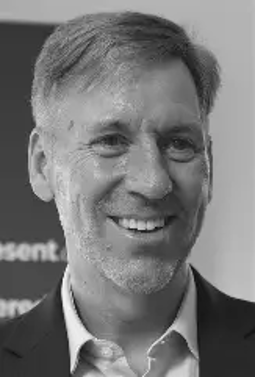
Matt MacGregor is a senior global health leader whose work focuses on health financing, sustainability transitions, and the strengthening of national health systems. He currently serves as Head of the Health Finance Department at the Global Fund to Fight AIDS, Tuberculosis and Malaria, where he oversees strategic efforts to help countries transition from external donor support to sustainable domestic financing while maintaining service coverage and equity. His work integrates financial strategy, policy implementation, and institutional capacity building to enhance the resilience and effectiveness of health systems in low‑ and middle‑income countries.
MacGregor is an alumnus of Tufts University, where he earned his B.A. in History and International Affairs, and The Fletcher School of Law and Diplomacy at Tufts, where he obtained a Master’s degree focused on international development and health systems. His academic formation provided a foundation for navigating the complex intersections of policy, economics, and global health governance.
Prior to his work at the Global Fund, MacGregor served as Executive Director of Timmy Global Health, leading initiatives to expand healthcare access and community engagement programs internationally. His career has included operational and strategic roles across Latin America, Southeast Asia, and the United States, focusing on building institutional capacity, implementing sustainable financing mechanisms, and strengthening governance structures in health programs.
Zach Braiker
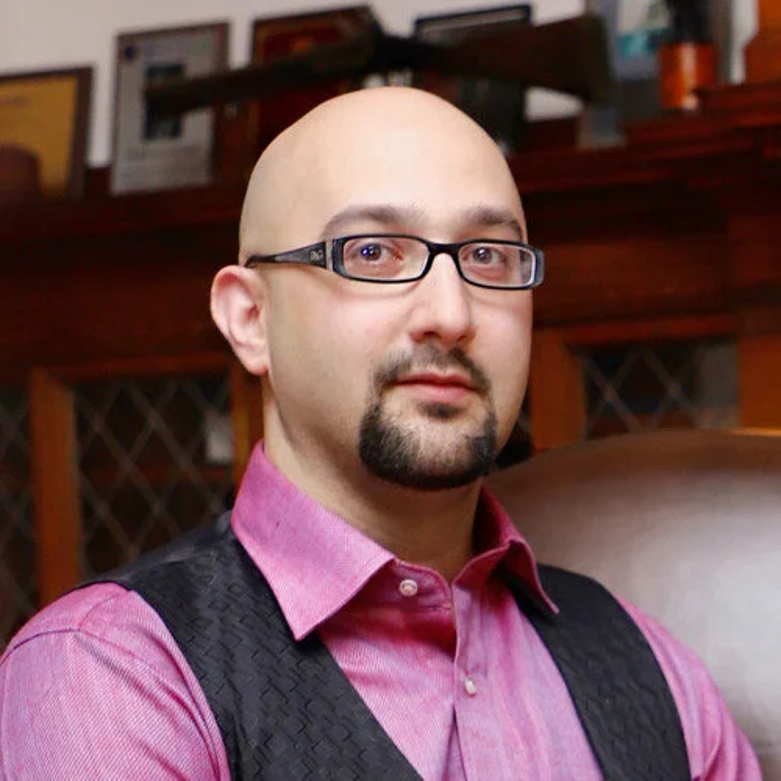
Zach Braiker is a senior strategist and organizational leader whose work focuses on applied systems thinking, strategic growth, and digital transformation. As the Founder and CEO of refine+focus, he guides enterprises, nonprofits, and high-growth ventures in aligning strategy, operations, and human-centered insights to achieve sustainable impact. His practice integrates innovation frameworks, emerging media dynamics, and organizational design to help institutions navigate complexity and scale effectively.
Braiker’s professional expertise spans marketing strategy, innovation consulting, and organizational transformation, emphasizing the translation of human behavior, networked systems, and market intelligence into actionable insights. He has advised major brands, global nonprofits, and entrepreneurial ventures on growth strategy, audience engagement, and digital transformation, blending practical experience with systems-level analysis.
A Tufts University alumnus, Braiker holds a B.A. in History, International Relations, and Literature, a foundation that informs his capacity to synthesize narratives, patterns, and complex systemic interactions. He is also active in the entrepreneurial ecosystem, mentoring founders and contributing to strategic initiatives that strengthen community and organizational resilience.
Philip S. Khoury
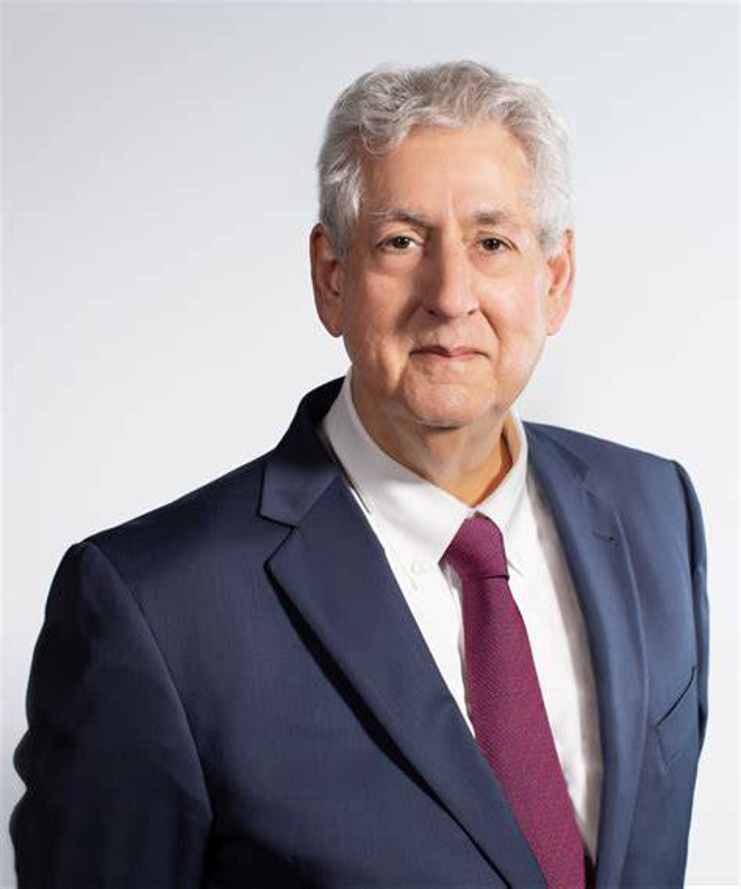
Philip S. Khoury is a distinguished historian and academic leader specializing in the political and social history of the modern Middle East. His scholarship examines nationalism, state formation, urban politics, and elite structures, providing deep insight into the dynamics that have shaped contemporary Arab societies. Khoury’s research integrates archival rigor with conceptual clarity, exploring the interplay of local agency, colonial mandates, and emergent political institutions.
He holds a Ph.D. in History from Harvard University and has served on the faculty of MIT since 1981, where he is the Ford International Professor of History. Khoury has also held key administrative roles, including Dean of the School of Humanities, Arts, and Social Sciences, and Vice Provost, overseeing interdisciplinary initiatives, international engagement, and strategic planning. He founded the Emile Bustani Middle East Seminar, fostering interdisciplinary public dialogue on Middle Eastern affairs.
Khoury’s major publications include Urban Notables and Arab Nationalism, Syria and the French Mandate: The Politics of Arab Nationalism, 1920–1945, and co-edited volumes on tribes and state formation, which have become foundational texts in Middle Eastern studies. His work has been recognized with awards from the American Historical Association and fellowships from prominent institutions including the Fulbright‑Hays Foundation and Mellon Foundation.
Beyond scholarship, Khoury has contributed to institutional governance, serving as Chairman of the Board of Trustees at the American University of Beirut, and as an overseer and trustee of multiple academic and research institutions worldwide. He is a fellow of the American Academy of Arts and Sciences, illustrating his combined impact on both research and institutional leadership.
Rick Doblin

Rick Doblin is a pioneering leader in psychedelic science and translational mental health research, known for founding and leading the Multidisciplinary Association for Psychedelic Studies (MAPS). His work integrates clinical research, regulatory strategy, and public policy to advance the therapeutic potential of psychedelic-assisted treatments, particularly MDMA-assisted psychotherapy for trauma-related disorders.
Doblin’s academic formation spans psychology, public policy, and consciousness studies. He earned his B.A. from New College of Florida, conducting a long-term follow-up study on the Good Friday Experiment, and completed a Ph.D. in Public Policy at Harvard University, focusing on the regulation of medical uses of psychedelics and marijuana. He trained under Stanislav Grof in transpersonal psychology and holotropic breathwork, grounding his research in both scientific and experiential frameworks.
As MAPS’s executive director, Doblin has overseen clinical trials, regulatory engagement, and institutional governance, helping move psychedelic research from the margins to mainstream scientific investigation. Under his leadership, MAPS has designed and funded studies in multiple countries, navigating FDA protocols and ethical oversight to establish MDMA-assisted psychotherapy as a promising evidence-based treatment.
Doblin is also an active public communicator and organizer, curating scientific discourse through conferences, publications, and public forums. His work has shaped the evolving landscape of psychedelic research, policy reform, and therapeutic innovation, bridging gaps between science, regulation, and societal acceptance.
Nick Chaset
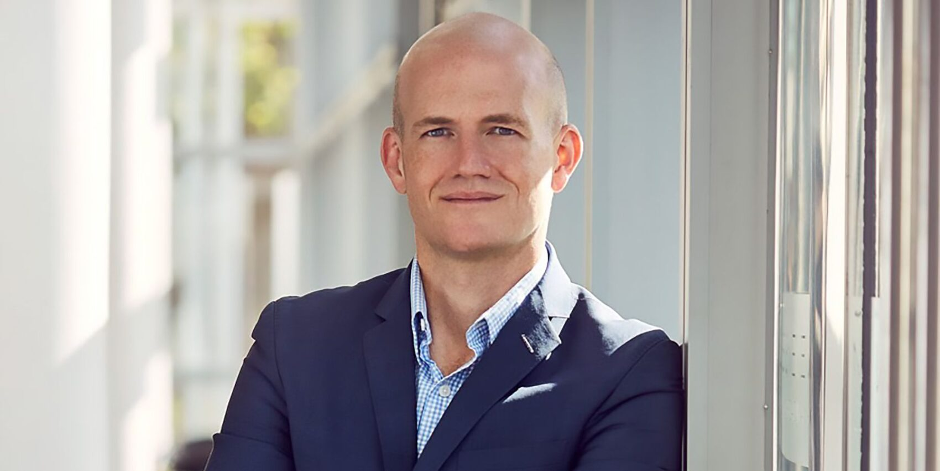
Nick Chaset is a leading figure in contemporary clean-energy governance whose career spans public-sector regulation, energy-market design, and executive leadership within community-based utility structures. His professional trajectory is marked by a sustained commitment to democratizing access to clean energy, strengthening local agency in energy procurement, and designing operational frameworks that align decarbonization imperatives with social equity and economic resilience.
Educated in International Relations at Tufts University and later earning an MBA from Georgetown University, Chaset brings a dual orientation to his work: a systems-level understanding of global political-economic structures, and a pragmatic managerial approach to institutional transformation. These foundations informed his early policy roles within the State of California, where he served first in Governor Jerry Brown’s office as a Special Advisor on distributed energy resources, and later as Chief of Staff to the President of the California Public Utilities Commission. In these positions he engaged in the critical redesign of regulatory frameworks governing distributed solar, net energy metering, and the integration of new energy technologies into legacy utility systems.
Chaset is best known as the founding Chief Executive Officer of Ava Community Energy, one of the most influential community-choice energy agencies in the United States. Under his leadership, Ava evolved from a concept to a major regional energy provider, offering millions of residents access to cleaner power portfolios while reinvesting revenue in community-level resilience initiatives. Through programs spanning local battery installations, solar-plus-storage, electric-vehicle infrastructure, and climate-equity grants, he articulated a governing philosophy in which clean energy is understood simultaneously as infrastructure, public good, and ethical mandate. His work positioned Ava as a national model for local jurisdictional empowerment in the energy sector.
Beyond operational leadership, Chaset contributes to the governance architecture of the broader energy-transition landscape through his roles in industry associations and collaboratives, including the California Community Choice Association and partnerships with regional and national clean-energy nonprofits. His subsequent role as Executive Vice President for North America at Octopus Energy extends his influence from regional innovation to global scaling, linking community-based models with international capital and technology ecosystems.
Chaset functions as a public intellectual within the practice-driven domain of energy transition. His commentary on regulatory reform, community choice frameworks, and equitable electrification appears in executive briefings, policy forums, and sector-specific convenings, shaping both practitioner discourse and adjacent scholarly work in energy policy, environmental governance, and distributed infrastructure design.
Geoffrey H Lewis
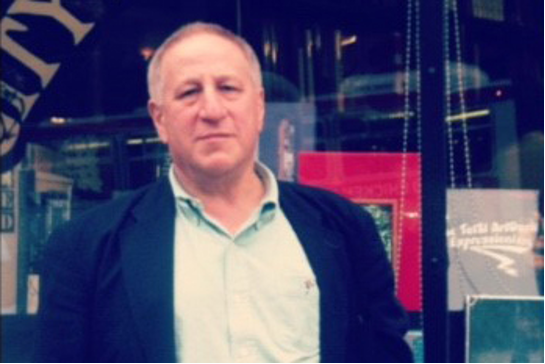
Geoffrey H. Lewis is an American attorney and civic leader whose career bridges law, international engagement, and sustained work on issues of Israel, diaspora dialogue, and regional peacebuilding. Based in the Boston area, Lewis has developed a professional profile that combines rigorous legal practice with decades of institutional service in Jewish communal leadership and cross-cultural initiatives.
Lewis earned his B.A. from Boston College (1974) and his J.D. from Northeastern University School of Law (1980). He is admitted to the Massachusetts and New York bars and has practiced before several federal courts, including the U.S. Supreme Court and the U.S. Court of Appeals for the First Circuit. As a partner at Kerstein Coren & Lichtenstein, LLP, he works across civil litigation, arbitration, mediation, corporate formation, and international business transactions. His portfolio includes advising U.S. clients engaged in investment and commercial development with Israel, reflecting a longstanding interest in the economic dimensions of regional stability and exchange.
Parallel to his legal career, Lewis has played a formative role in shaping communal and policy discourse on Israel and peace. He served as President of the Jewish Community Relations Council (JCRC) of Greater Boston, helping guide the organization’s public-policy stances and community engagement during a period marked by shifting geopolitical realities and a broadening spectrum of diaspora perspectives. He has also served on the Board of Directors of Combined Jewish Philanthropies (CJP), contributing to strategic frameworks for Israel engagement, community dialogue, and philanthropic coordination.
Lewis’s work extends internationally through his service on the boards of several organizations dedicated to coexistence, policy analysis, and cross-community understanding. These include the Israel Policy Forum (IPF), Americans for Peace Now, the Abraham Fund, and the University of Haifa. Through these roles, he has participated in organizational governance, educational initiatives, and policy advocacy supporting efforts toward a negotiated and sustainable resolution to the Israeli–Palestinian conflict. His perspective emphasizes dialogue, moderation, and the cultivation of civic spaces where disagreement can occur without fragmentation—an outlook he articulated in his published reflections on communal discourse and Israel-diaspora relations.
His writings and speeches highlight the importance of deliberative process, pluralism, and the ethical responsibilities of diaspora communities navigating the political complexities of the Middle East.
Noah Kazis

Noah Kazis is a legal scholar whose work examines how law structures the built environment, shapes patterns of urban inequality, and governs the distribution of opportunity across cities and regions. As an Assistant Professor of Law at the University of Michigan, he specializes in land use regulation, housing law, local government law, and urban policy, fields that collectively explore how institutions exercise authority over space, growth, and community formation.
Kazis’s scholarship investigates the legal and policy mechanics that determine housing supply, affordability, and spatial inclusion. He studies zoning reforms, municipal regulatory capacity, and the intersection of legal design with economic and demographic forces. Across his writing, he seeks to clarify how law can either entrench scarcity and segregation or enable more equitable, resilient, and adaptive urban systems. His work bridges doctrinal analysis, empirical research, and policy-oriented inquiry, reflecting a commitment to understanding law as an active lever for shaping material and social outcomes.
Before entering academia, Kazis served in the New York City Law Department as a Corporation Counsel Honors Fellow and later as Assistant Corporation Counsel, where he worked on matters including building emissions reductions, sanctuary city policy, and municipal charter reform. He also held a research fellowship at the NYU Furman Center for Real Estate and Urban Policy, producing research on zoning, land use, and housing markets. These professional experiences inform his academic perspective, grounding his theoretical work in the complexities of real-world governance and public-sector implementation.
Kazis’s publications span leading law reviews, interdisciplinary journals, and policy reports. His research addresses topics such as the effects of zoning on housing production, the evolution of local authority in times of social and environmental stress, and innovative pathways for increasing affordability through regulatory reform and adaptive reuse. He contributes regularly to broader policy discourse, engaging with public audiences on the challenges of housing crises, municipal decision making, and the future of urban governance.
David C Logan
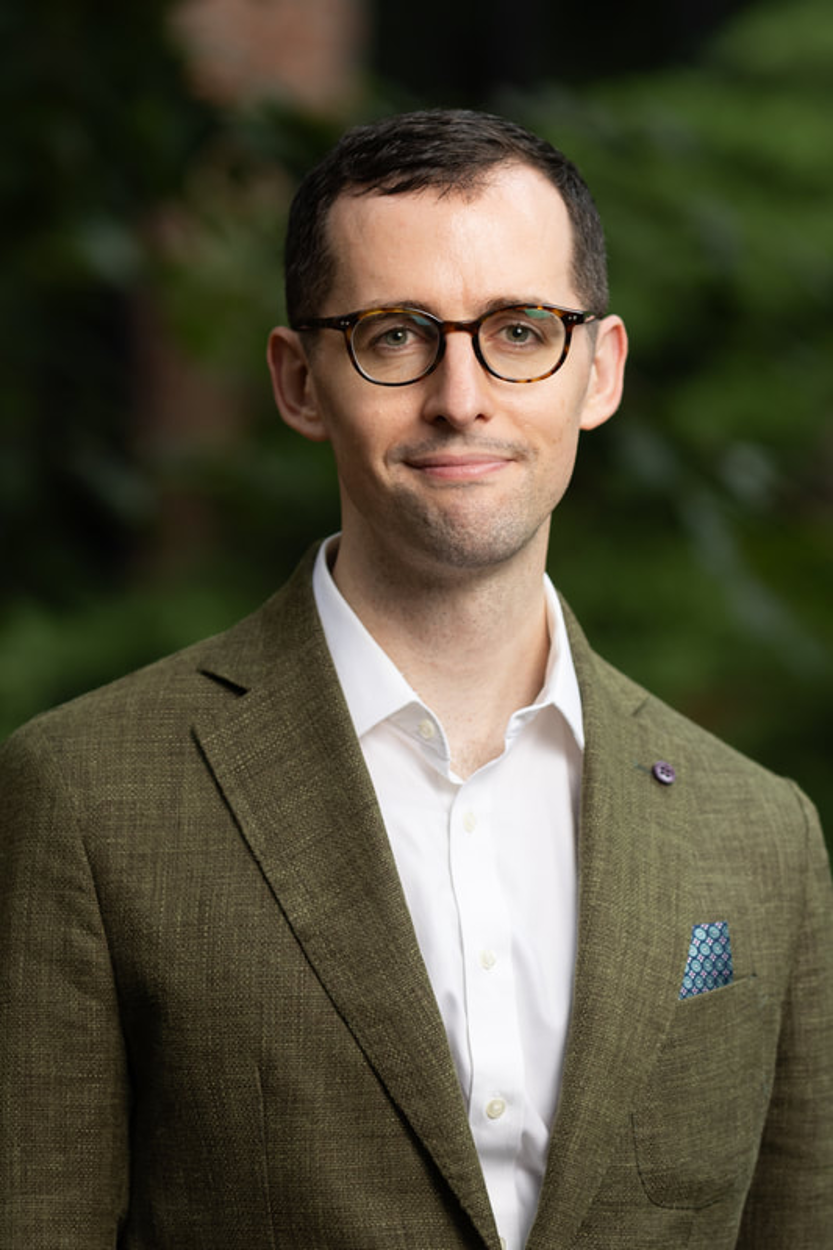
David C. Logan is an Assistant Professor of Security Studies at The Fletcher School of Law and Diplomacy at Tufts University, where he specializes in international security, nuclear strategy, and great-power competition, with a particular emphasis on China’s nuclear doctrine and strategic thought. His scholarship sits at the intersection of international relations theory and policy-relevant security analysis, and he is widely regarded as part of a new generation of scholars shaping contemporary debates on nuclear deterrence and strategic stability.
Dr. Logan received his Ph.D. in Public Affairs from the Princeton School of Public and International Affairs, where his doctoral research focused on extended deterrence, escalation dynamics, and nuclear strategy. His academic training combined rigorous theoretical grounding with extensive empirical research, including the systematic use of Chinese-language sources to analyze Beijing’s strategic worldview. Prior to joining Fletcher, he served as an Assistant Professor in the National Security Affairs Department at the U.S. Naval War College and held a prestigious Stanton Nuclear Security Fellowship at the MIT Security Studies Program, experiences that reinforced his ability to bridge academic scholarship and real-world policy concerns.
Logan’s research agenda centers on how states conceptualize nuclear weapons, deterrence, and strategic stability, with China occupying a central place in his work. He is particularly known for challenging assumptions that Chinese nuclear thinking simply mirrors Cold War–era U.S. or Soviet models. Instead, his research demonstrates that Chinese strategic culture reflects distinct priorities, threat perceptions, and escalation concerns that have important implications for U.S.–China relations. Through careful analysis of Chinese military writings, elite debates, and doctrinal evolution, he highlights how misaligned understandings of strategic stability can increase the risks of miscalculation between nuclear-armed states.
His scholarship has appeared in leading peer-reviewed journals, including International Security, Journal of Strategic Studies, International Organization, and Asian Security. Among his most influential contributions is his work on Chinese views of strategic stability, which provides one of the most comprehensive English-language analyses of how Chinese analysts interpret concepts such as mutual vulnerability, arms racing, and crisis escalation. He has also published extensively on nuclear-conventional entanglement, elite and public attitudes toward nuclear weapons, and the organizational dynamics of China’s PLA Rocket Force. In addition, he co-authored a major monograph for the National Defense University Press on the drivers of China’s nuclear force development, offering analytical tools for assessing Beijing’s evolving capabilities and intentions.
At Fletcher, Professor Logan teaches courses on international security and great-power competition that emphasize analytical rigor, strategic empathy, and the careful evaluation of both U.S. and non-U.S. perspectives. His pedagogical approach reflects his broader intellectual commitment: preparing students and practitioners to understand adversaries on their own terms rather than through mirror-imaging or ideological assumptions.
Overall, David C. Logan’s academic profile is defined by deep expertise on China, methodological rigor, and a sustained focus on nuclear risk reduction in an era of intensifying great-power rivalry. His work contributes not only to scholarly debates but also to policy discussions about how the United States and China can manage competition without drifting toward catastrophic escalation.

AI Resistance Art & Symbols of Resistance: A Visual Archive


Boston Plaza Demonstration

More…

A Graphic composed by Mentor Ehren Brav
Leveraging the power of AI image generation... Feel free to distribute - I certainly will be.
